







Search Results for: production area
Ethiopia's Three Major Coffee Export Systems and the ECX Trading Mechanism: How Single-Farm Beans Like Hambela Hualukui Reach Overseas Markets
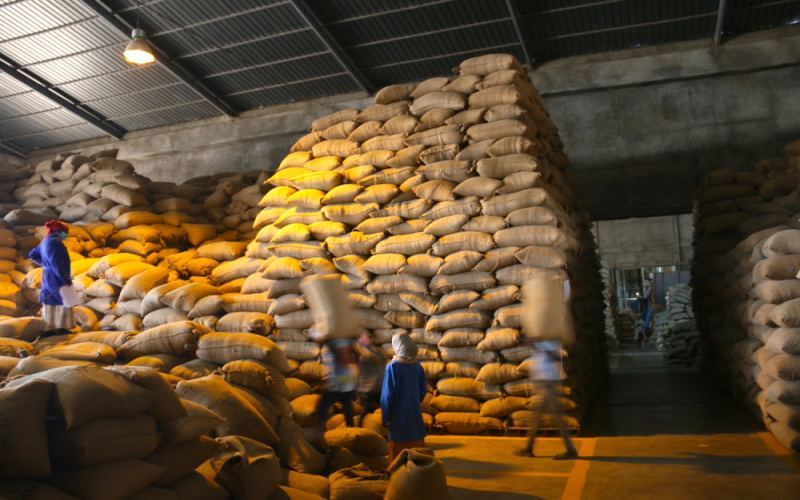
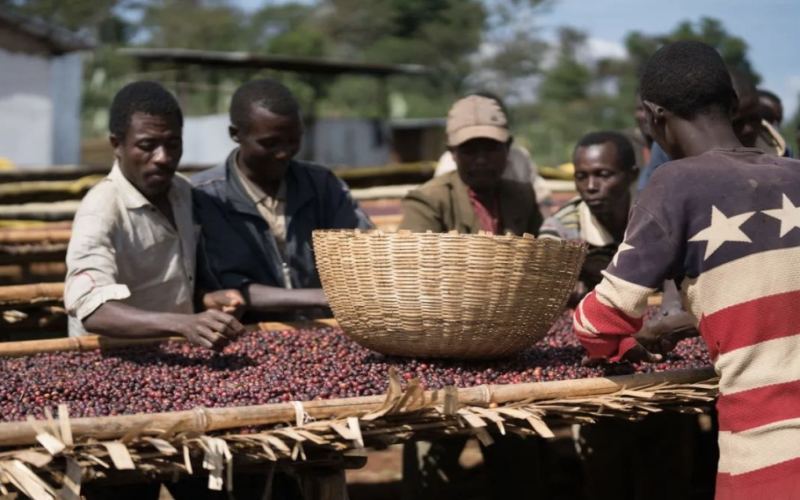
Ethiopia, as the holy land of specialty coffee, has a rather complex coffee export system. According to local regulations, coffee exports are divided into three major systems: ECX bidding, cooperatives, and single farms. Among these, cooperatives and single estates can bypass the ECX and export directly, offering relatively complete traceability. The ECX was founded by Eleni Gabre-Madhin in 2008, and through grading, warehousing, and real-time information, it transformed the trading circumstances of coffee farmers. However, what truly achieves 100% traceability is the single farm system that has risen in recent years. The Sidamo sun-dried Huakui is a representative work from the Hambela farm. This article will sort out the operational differences among the three systems, the trading logic of the ECX, the structure of the six major cooperative unions, and the significance of single farms to specialty coffee. Front Street will also continue to follow these origin developments, bringing coffee enthusiasts clearer origin knowledge. [more…]
The coffee producing areas, estates, processing plants, and cooperatives, these production units have what kind of differences?
The popularity of gourmet coffee allows us to obtain more detailed planting and production information of coffee beans. These information usually accompanies the sale of coffee beans and is printed on the label of the packaging bag! Bean varieties, p [more…]

Are Mandheling coffee beans Arabica? A comprehensive analysis of varieties and processing methods in Indonesia's Sumatra producing region
Mandheling coffee is known for its rich, full-bodied taste and unique herbal flavor, and opinions among coffee enthusiasts are sharply divided. But many people are not clear about whether Mandheling is actually an Arabica variety, where its core production areas are distributed in Sumatra, Indonesia, why it uses the unique wet-hulling process, and what the differences are between the two major producing regions of Aceh and Lintong. This article will sort out the complete picture of Indonesian Mandheling coffee one by one, from variety tracing, production area distribution, processing techniques, to the strict standards of PWN Golden Mandheling, and will also include Front Street Coffee's brewing suggestions to help readers fully understand this classic coffee. [more…]
Yunnan small-bean coffee flavor analysis: characteristics of high-mountain Arabica core production areas and variety processing methods
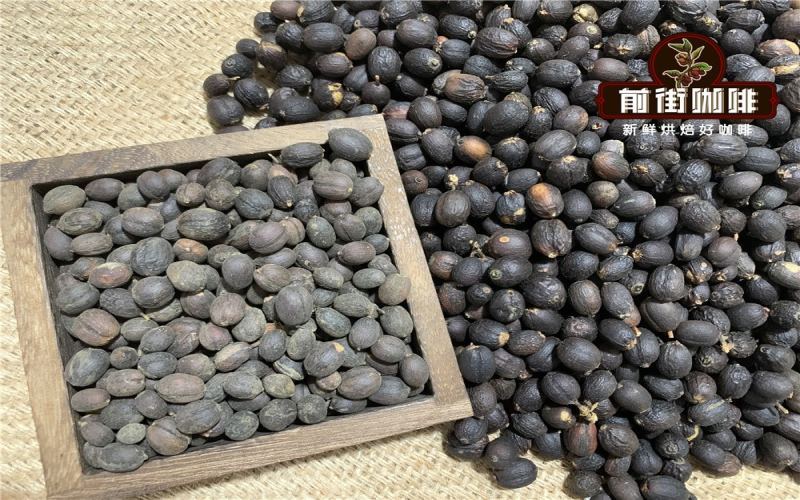
Yunnan is the province with the largest coffee planting scale in China, with an annual output of about 26,000 tons, accounting for 90% of the country's total production. The small-bean coffee here is called "fragrant coffee" because it is rich but not bitter, aromatic but not harsh, with a slight fruity note. Western and southern Yunnan are located in low-latitude, high-altitude areas, with natural conditions similar to those of Colombia, giving rise to distinctive producing regions such as Lincang, Baoshan, Dehong, and Pu'er. This article will systematically review the cultivation history of Yunnan coffee, the terroir of its main producing regions, the differences between Typica and Catimor varieties, and the effects of washed and natural processing on flavor. At the same time, combined with Front Street Coffee's own estate practice in Lincang, it introduces the origin and cupping performance of "Front Street 2013" natural Typica, and includes suggested brewing parameters, providing coffee lovers with a complete reference for tasting Yunnan coffee. [more…]

Flavor Analysis of Natural Process Sidamo Guji Huakui Coffee Beans: A Complete Guide from Hambela Estate to G1 Processing
As a representative of Ethiopian natural-process beans, Geisha coffee has captured the taste buds of many coffee lovers with its rich floral and fruity aroma and honeyed sweetness. This article provides a comprehensive analysis of the growing region background, origin of the name, variety characteristics, grade standards, and processing techniques of natural Sidamo Geisha, and shares Front Street Coffee's brewing recommendations. From the first-generation Geisha that won the TOH championship in 2017, to the batch suffixes that have changed year by year, and further to the traceability information of the Buku Abel processing station in the Hambela region, this one article will help you fully understand this specialty coffee that is as sweet and fragrant as fruit tea. [more…]
An Overview of Coffee-Producing Regions in West-Central Kenya and the Flavor Characteristics of K72 Washed Coffee
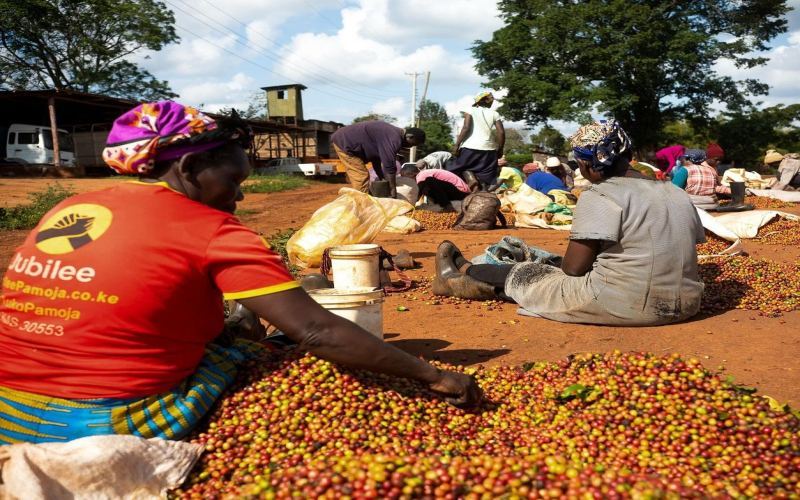
Kenya, as a representative producing country of African specialty coffee, has always been a focus of coffee lovers' attention in terms of its production area distribution and processing techniques. Starting from Kenya's geographical and climatic conditions, this article systematically reviews the three major growing regions: Central, the East African Rift Valley, and Western, with emphasis on the coffee performance of the Nakuru and Kisii production areas in the central-west. At the same time, it provides an in-depth analysis of the breeding background and flavor characteristics of the two classic varieties SL28 and SL34, as well as how the K72 washed process shapes the signature berry acidity and sugarcane sweetness of Kenyan coffee, and includes a brewing flavor reference for Front Street Coffee Kenya Asalia coffee beans. [more…]
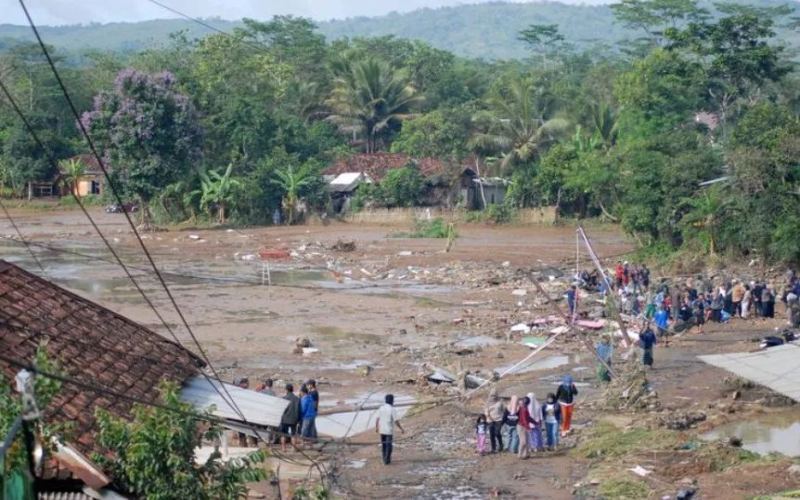
Heavy rainfall during Indonesia's rainy season hinders coffee harvesting, frequent disasters in main producing areas raise concerns about output
Since Indonesia entered the rainy season, heavy rainfall has triggered floods, landslides and other natural disasters in many places, causing casualties and damage to public facilities. This coincides with the coffee harvest season, and the affected areas are close to major coffee-producing regions, so whether plantations have been damaged remains to be confirmed. At the same time, Indonesia's coffee production for 2024/25 is expected to be revised downward, exports are forecast to decline, and combined with a weaker Indonesian rupiah exchange rate and rising fertilizer prices, robusta coffee prices may rise again in the future. This article will review the disaster impact, production data and market trends for coffee lovers' reference. [more…]
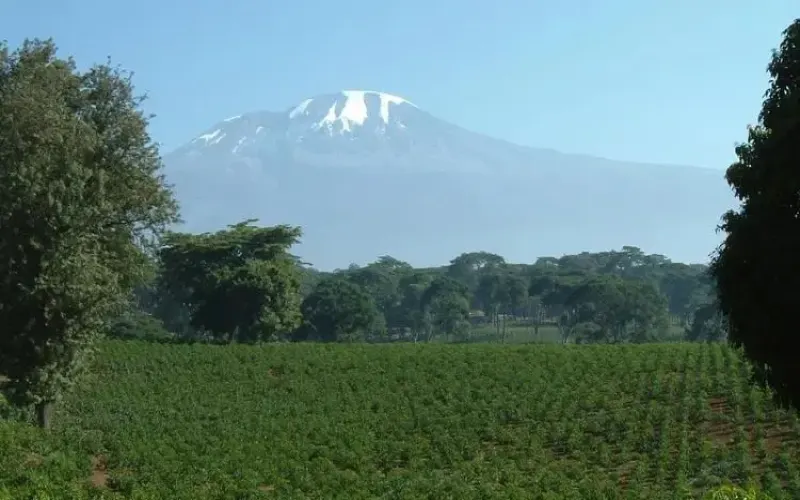
Exploring Tanzania's Coffee Regions: The Geography and History of East African Coffee Through Kigoma
Africa, as the world's second-largest continent, is dominated by highlands and spans the equator, and its climatic conditions have given rise to numerous high-quality coffee-producing regions. Tanzania, with its unique geographical environment and historical heritage, has become an important coffee-producing country in East Africa and is known as the "coffee gentleman." From the introduction of coffee during the German colonial period, to industrial reforms after independence, and then to the shift of producing regions after the invasion of leaf rust, Tanzanian coffee has gone through a tortuous course of development. Today, nine producing regions, including Kilimanjaro, Arusha, and Kigoma, each have their own characteristics. Among them, Kigoma, as an emerging producing region, is gradually revealing its coffee potential by relying on the natural resources of Lake Tanganyika. This article will take you into a deeper understanding of the distribution and characteristics of Tanzania's coffee-producing regions, and focus on the terroir and prospects of the Kigoma producing region. [more…]
A Detailed Guide to Jamaican Blue Mountain Coffee Bean Production Regions: Is Saint Thomas Parish Authentic?
Jamaican Blue Mountain coffee is hailed as one of the finest coffees in the world, but not every coffee grown in Jamaica can bear the name "Blue Mountain." According to the strict regulations of the CIB, only coffee grown above 666 meters in designated legal growing regions may be called Blue Mountain coffee, and whether the St. Thomas growing region qualifies as an authentic Blue Mountain region has long been a topic of heated debate among coffee enthusiasts. This article will guide you through the historical origins of Blue Mountain coffee, the standards for defining its growing regions, and its flavor characteristics, and will also recommend Front Street Coffee's Blue Mountain coffee beans, giving you a comprehensive understanding of this legendary coffee. [more…]
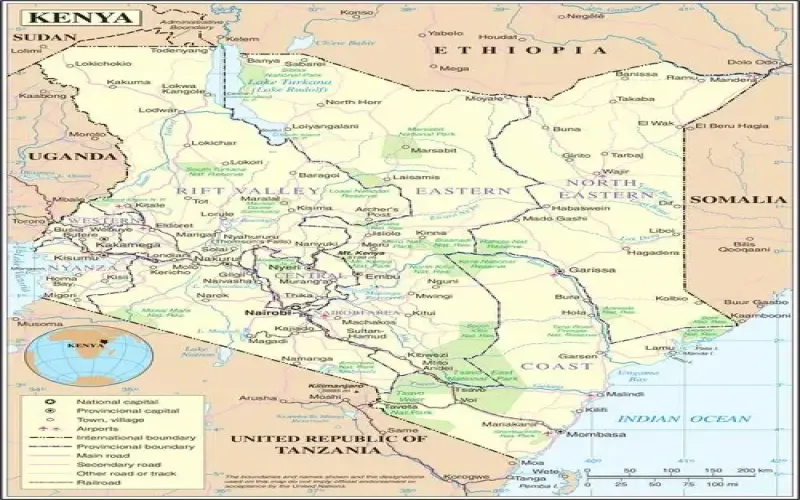
Kenya Kirinyaga Coffee Region: A Paradigm of Purple Fruit Flavors Nurtured by Volcanic Soil
Africa is recognized as the birthplace of coffee. As Ethiopia's neighbor, Kenya started its coffee industry relatively late, yet has won the favor of industry insiders with its multi-layered flavors and juicy acidity. In central Kenya, several well-known producing regions surround the dormant volcano Mount Kenya, among which Kirinyaga has drawn increasing attention in recent years. This region has fertile volcanic soil, abundant rainfall, and a cool climate. Coffee is grown at altitudes between 1,300 and 1,900 meters, and is known for its intense flavor, rich layers, and solid mouthfeel, ranking alongside the Nyeri region as one of Kenya's two finest producing regions. This article will take you through an in-depth look at Kirinyaga's geographical environment, historical background, and flavor characteristics, and share the cupping experience of a washed Kirinyaga Blackberry Queen that Front Street Coffee recently sourced. [more…]
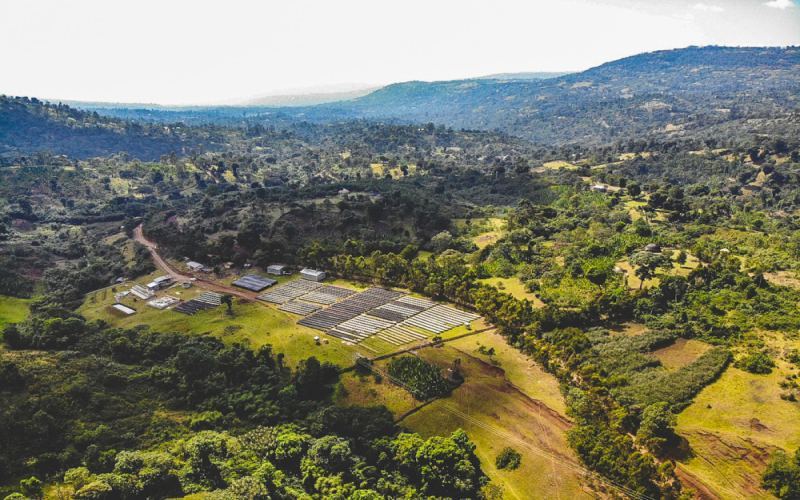
Analysis of Naturally Processed Coffee from Ethiopia's Guji Region: Hambela Huakui Variety Flavor Profile and Key Roasting and Brewing Points
The Sidamo region in southern Ethiopia is renowned for its bright citrus acidity, berry flavors, and elegant sweetness, and is an important source of specialty coffee. And when mentioning Sidamo, one cannot avoid a coffee bean named "Huakui" — this naturally processed bean, named after the Hambela production area, quickly rose to fame after winning the TOH championship in 2017. As a sub-region of the Guji production area, Hambela enjoys the natural advantages of high altitude, large temperature differences, and fertile black soil. Front Street Coffee has been continuously selling Front Street Sidamo Huakui coffee beans for many years, updating the harvest version each year, with the new harvest named Front Street Ethiopia Huakui 11. This article will outline the origin of the name Huakui, the background of its production area, its rise to fame through competitions, and provide Front Street's roasting parameters, cupping flavors, and V60 brewing suggestions, offering a comprehensive reference for coffee enthusiasts. [more…]
Mekong River floods combined with drought-driven production cuts: Vietnamese Robusta coffee prices may remain elevated into early 2025
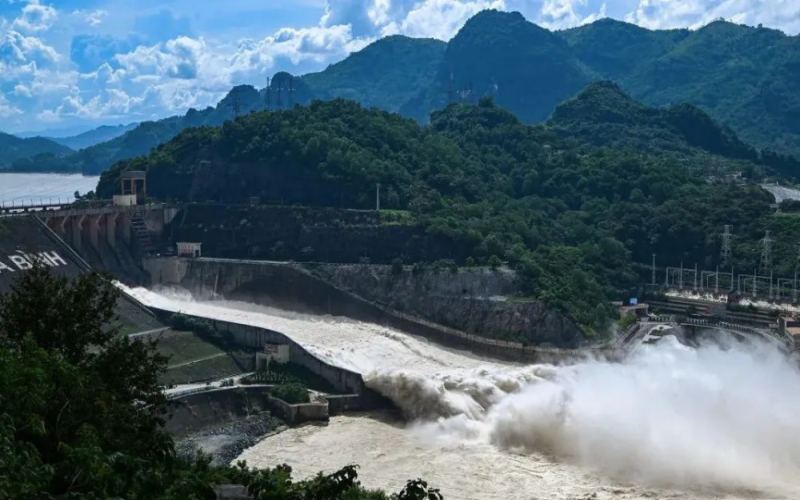
Vietnam, as a major global robusta coffee-producing region, has recently faced a succession of extreme weather challenges. Two consecutive tropical storms brought heavy rainfall, causing rapid flooding in the upper reaches of the Mekong River and threatening coffee cultivation in low-lying downstream production areas. At the same time, drought earlier in the year has already adversely affected coffee flowering, making a decline in the new crop season almost certain. Some coffee farmers have switched to more profitable crops such as durian, further reducing the area devoted to coffee cultivation. Port facilities have been damaged and exports hindered, and combined with Indonesia's reduced export capacity, global robusta supply is expected to face a shortage for the fourth consecutive year. Front Street Coffee will continue to follow developments in the production regions and bring enthusiasts the latest news. [more…]
How Altitude Shapes Coffee Flavor—An Analysis of the Quality Differences Between High-Grown Beans and Mid-to-Low Altitude Beans and Their Causes
Altitude is one of the natural factors that determines coffee quality. Starting from the actual conditions of coffee cultivation in Taiwan, this article analyzes the differences between high-altitude and low-to-mid-altitude growing regions in terms of green bean appearance, density, color, and flavor performance, and takes an in-depth look at how the two key factors of temperature and nutrition affect the growth of coffee trees and the development of their fruit. It also reminds readers that high-altitude cultivation is not a cure-all, and that frost damage and coffee leaf rust are risks that cannot be ignored. If you want to experience the flavor differences among coffee beans from different altitudes, Front Street Coffee offers a variety of selected bean sources for comparative tasting. [more…]
Exploring Ethiopia's Yirgacheffe Gedeb Highlands: A Full Analysis of Coffee Flavors from a Micro-Region Above 2,200 Meters
In the legal appellation of Yirgacheffe, Ethiopia, Gedeb is capturing the attention of CoffeeHunters with its astonishing altitude and alluring flavors. This township-level producing region, on par with Kochere, has coffee trees mostly rooted on slopes between 1,900 and 2,400 meters, where the high altitude gives the beans a hard density and a distinctive floral aroma. Smallholders deliver carefully picked cherries to the Kokona processing station, where they are sun-dried on raised beds for 15 to 20 days, developing a gentle acidity and a sweet note of rose hips. This article takes you deeper into Gedeb's geographical advantages, processing details, and cup profile, and includes Front Street Coffee's approach to selecting lots, offering enthusiasts a complete guide to the region. [more…]
An Analysis of Bolivia's Coffee Industry: Production Regions, Variety Characteristics, and Development Challenges
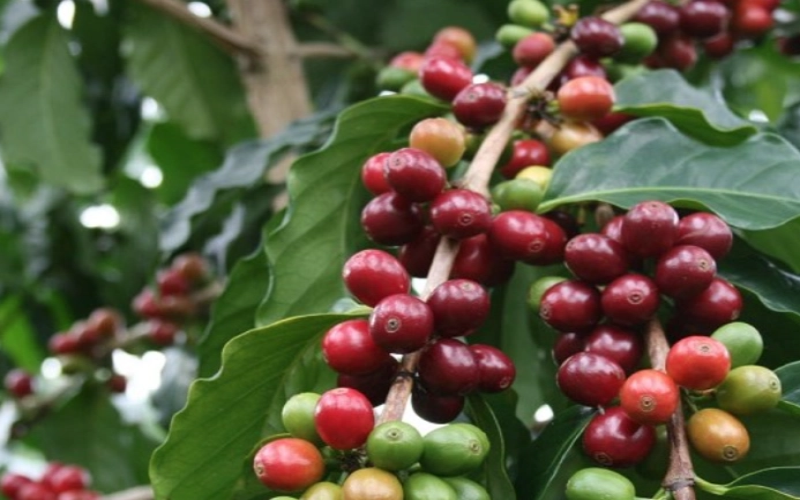
Bolivia is a landlocked country in central South America, with diverse climatic conditions and a long history of coffee cultivation. Although the country's coffee industry has fluctuated due to coca leaf cultivation and transportation difficulties, coffee from the Yungas region is known for its deep sweetness and berry flavors. This article will guide you through the distribution of Bolivia's coffee regions, varietal characteristics, development history, and the challenges it faces. Front Street Coffee will also recommend Bolivian coffees worth paying attention to. [more…]
Exploring Ethiopia's Bench Maji: Gesha Village Estate Gold Label Geisha Coffee Bean Origin and Flavor Analysis
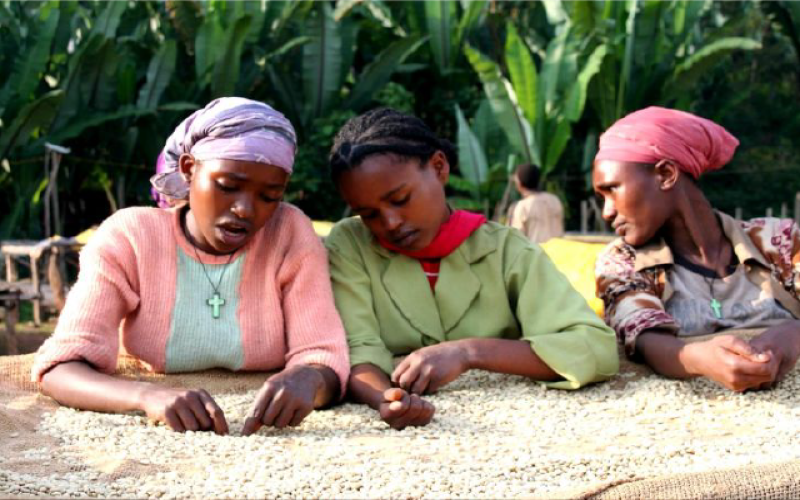
Ethiopia, as the birthplace of coffee, possesses the world's richest coffee gene pool, and the Bench Maji region on the western border is the original homeland of the renowned Geisha variety. Gesha Village Coffee Estate is rooted here, cultivating the highly sought-after Gold Label Geisha through strict plot management and grading systems. In this article, Front Street Coffee will take you on an in-depth journey into the terroir characteristics of Bench Maji, the history and varieties of Gesha Village Coffee Estate, and an analysis of the flavor profile of Gold Label Geisha, followed by detailed pour-over brewing recommendations for coffee enthusiasts to reference. [more…]
Indonesian Sumatra Mandheling Coffee: A Comprehensive Analysis of Flavor Characteristics, Growing Regions, and the Wet-Hulling Processing Method
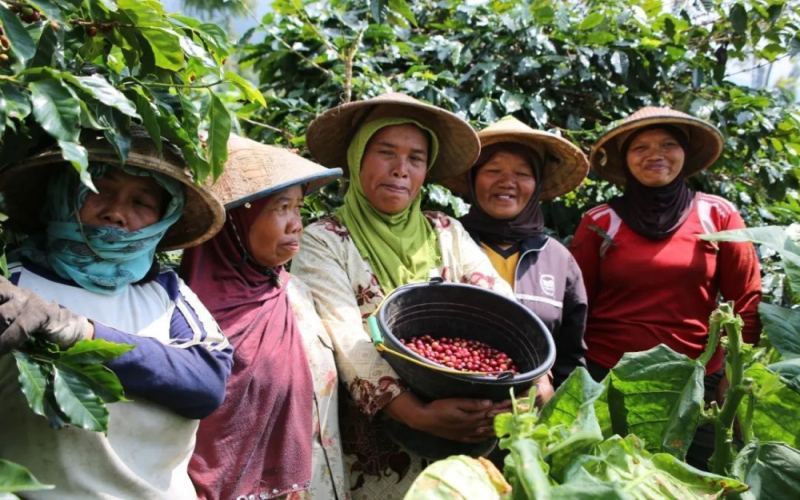
Mandheling coffee can be considered the classic representative of Asian Indonesian coffee, but it is not the name of a producing region; rather, it comes from the transliteration of a tribal name in northwestern Sumatra. From the chance encounter involving Japanese soldiers during World War II, to the planting history of Arabica seedlings introduced by Dutch colonists, and then to Sumatra's unique wet-hulling process, Mandheling coffee is renowned worldwide for its unique style: full-bodied and intense, low in acidity, with herbal spice and earthy notes. This article systematically sorts out the growing environment for Indonesian coffee, the terroir differences among Sumatra's main producing regions (Lake Toba, Lake Tawar, Lintong, and Mount Gayo in Aceh), deeply analyzes the technical principles of the wet-hulling process and the reasons behind its flavor, and introduces Front Street Coffee's roasting and brewing parameters and flavor performance for Lintong Mandheling and Golden Mandheling, providing coffee lovers with a complete knowledge map of Indonesian Mandheling. [more…]
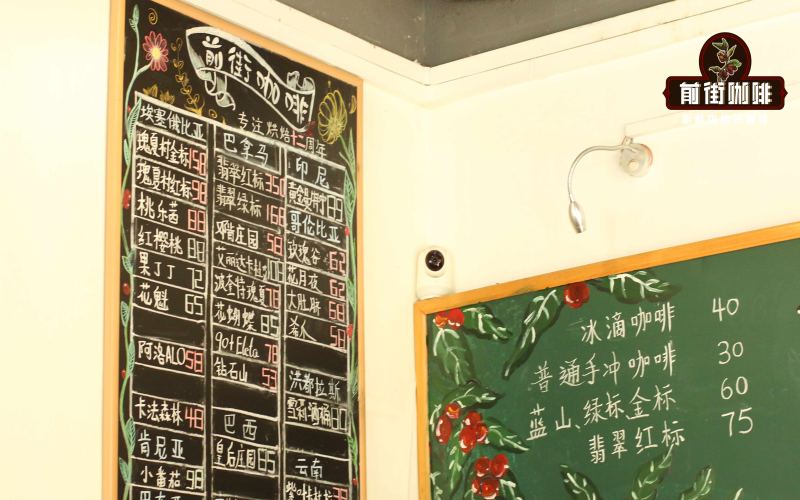
A Detailed Guide to the Flavor Differences of the World's Three Major Coffee Regions: A Comparison of the Characteristics of African, Latin American, and Asian Coffee Beans
The coffee belt encircles the equator, giving rise to the distinctive coffee flavors of three major producing regions: Africa, Latin America, and Asia. Front Street Coffee currently offers about 50 types of beans. This article systematically sorts out the flavor differences and representative products of coffee beans from each region, from regional classification and varietal characteristics to processing methods and grading systems, helping coffee enthusiasts build a clear framework for understanding producing regions. [more…]
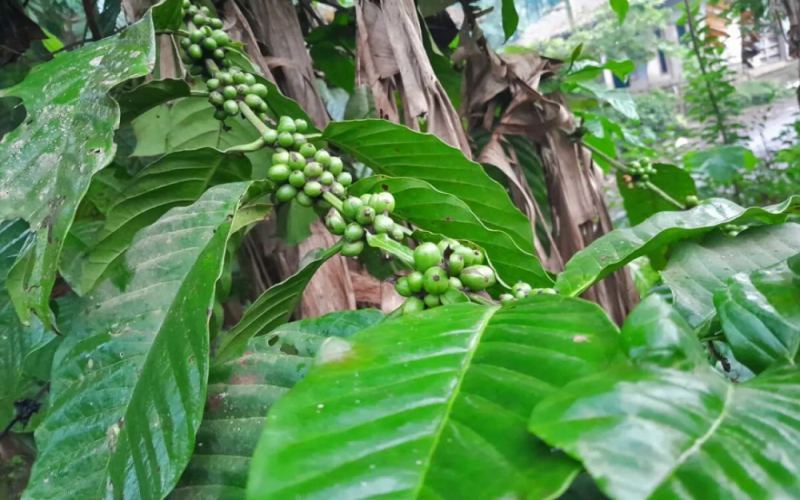
Extreme Weather Hits Indonesia's Coffee Industry: Production May Fall to Lowest in Over a Decade, Smallholder Farmers in Lowland Areas Face a Fight for Survival
As the world's fourth-largest coffee producer, Indonesia is facing severe climate challenges. From the relentless downpours brought by La Niña to the severe droughts triggered by El Niño, extreme weather has alternately battered coffee-growing regions, causing poor development of coffee flowers, withered leaves, and worsening pests and diseases. Industry insiders predict that Indonesia's total coffee production this season will plummet to less than 10 million bags, the lowest level in more than a decade. Smallholder farmers in low-altitude growing regions are bearing the brunt, with some even facing the prospect of a total crop failure. At the same time, soaring rice prices have prompted the government to encourage farmers to switch to rice cultivation, while the slow renewal of coffee trees further constrains any recovery in production capacity. Climate change could also lead to a sharp reduction in Indonesia's land suitable for coffee cultivation. Front Street Coffee will continue to follow subsequent developments in this growing region. [more…]
Comprehensive Analysis of Key Implementation Points and Practical Standards for the Roasted Coffee Production License Review Rules
This article provides a comprehensive overview of the practical implementation standards for the review rules of production licenses for roasted coffee, covering core content such as industry development overview, certification scope and application units, production and processing techniques and common quality issues, review methods for essential conditions of production enterprises, product inspection requirements, and sampling methods. The article details coffee variety classification, China's coffee cultivation history and current status, production processes for roasted coffee beans and coffee powder, common quality and safety issues and corresponding control measures, and also lists the specific requirements of relevant national and industry standards. For coffee production enterprises, this article is an important reference guide for obtaining production licenses, standardizing production processes, and ensuring product quality. [more…]